Waste management for commercial and retail
Interzero develops made-to-measure waste management plans for retail – nationwide, legally compliant and tailored to fit your branches, primary warehouses and goods structures. We work with more than 600 certified partners to coordinate the pickup, recycling and documentation of your waste and recyclables along the full process chain.
Challenges for waste management in retail

Retail waste management must often mirror very dynamic processes. Short-term disposal needs plus quantities and requirements that vary from one premise to another need to be handled quickly and reliably.
These issues are often worsened by space shortages in warehouses or sales/utility areas that obstruct efficient collection and interim storage.
Waste streams must also be properly separated while complying with packaging or battery legislation, for example (VerpackG and BattDG in Germany). Internal processes must be designed for minimal impact on day-to-day business.
Solution: integrated management with Interzero
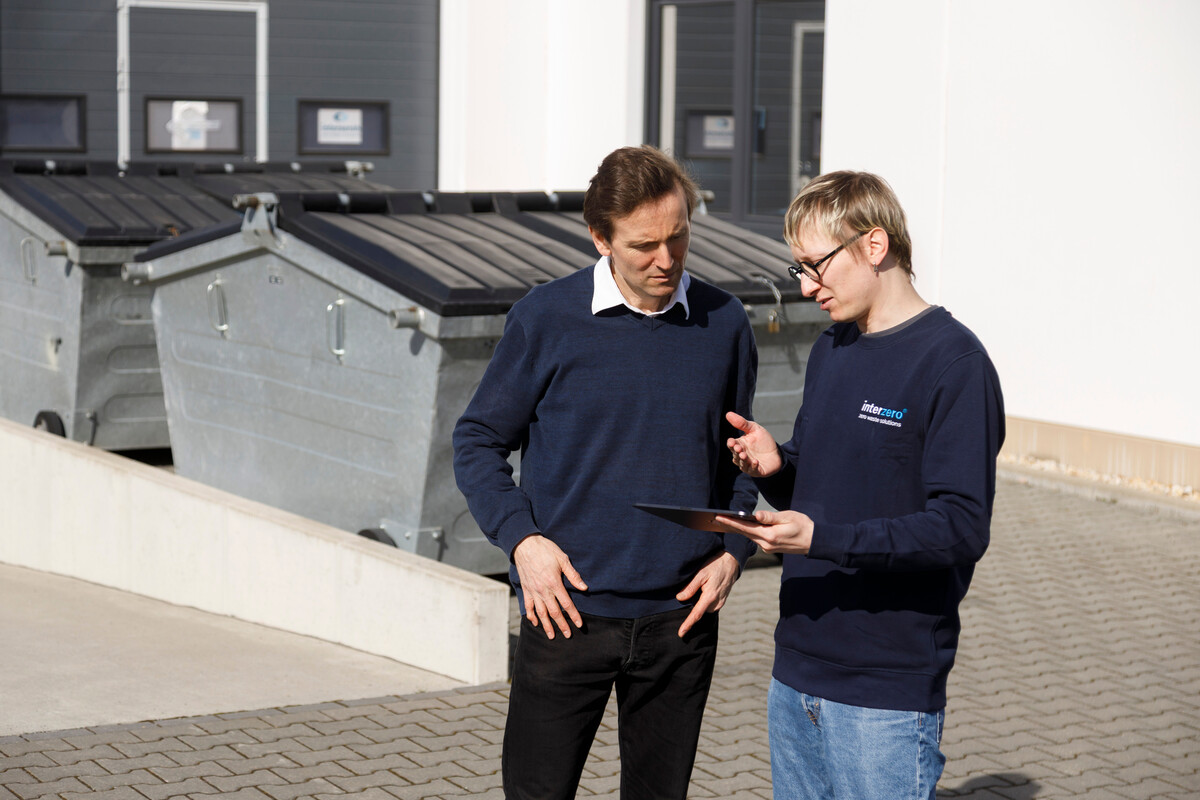
We analyse your premises, document the relevant waste types and develop customer-specific solutions that ensure efficient, legally compliant and economical waste management.
Individual management plans for commercial and retail (chains).
- Legally compliant waste management with nationwide coordination.
- Analysis of waste streams and optimisation of separation/collection processes.
- Comprehensive handling of transport/sales packaging, paper, plastics, electric waste and batteries.
- Transparent documentation, plus data/cost management.
Our waste management is fully integrated: from analysis and nationwide coordination through to the optimisation of separation and collection, and add-on services such as our container service ecoservice24, our baling presses and other disposal solutions.
Your benefits with Interzero:
Cost savings
Optimised logistics/collection strategies and transportation options not only reduce day-to-day effort but also help to cut costs.
Nationwide network
We can coordinate disposal solutions across all of your sites. This ensures reliability, short point-to-point routes and uniform processes, even for firms with several premises.
Everything from a single source
From disposal and licensing to container services and press solutions – all Interzero services are fully integrated.
Focus on zero waste
Our made-to-measure solutions for collection, recycling and take-back help you to conserve resources while achieving your sustainability targets.
Improving efficiency
Waste management is designed for efficiency, thanks to intelligent logistics strategies, precise, on-site waste separation and supplementary services like waste presses.
Integrated support
With a designated contact, you benefit from clear-cut processes, transparent documentation and minimal coordination effort.
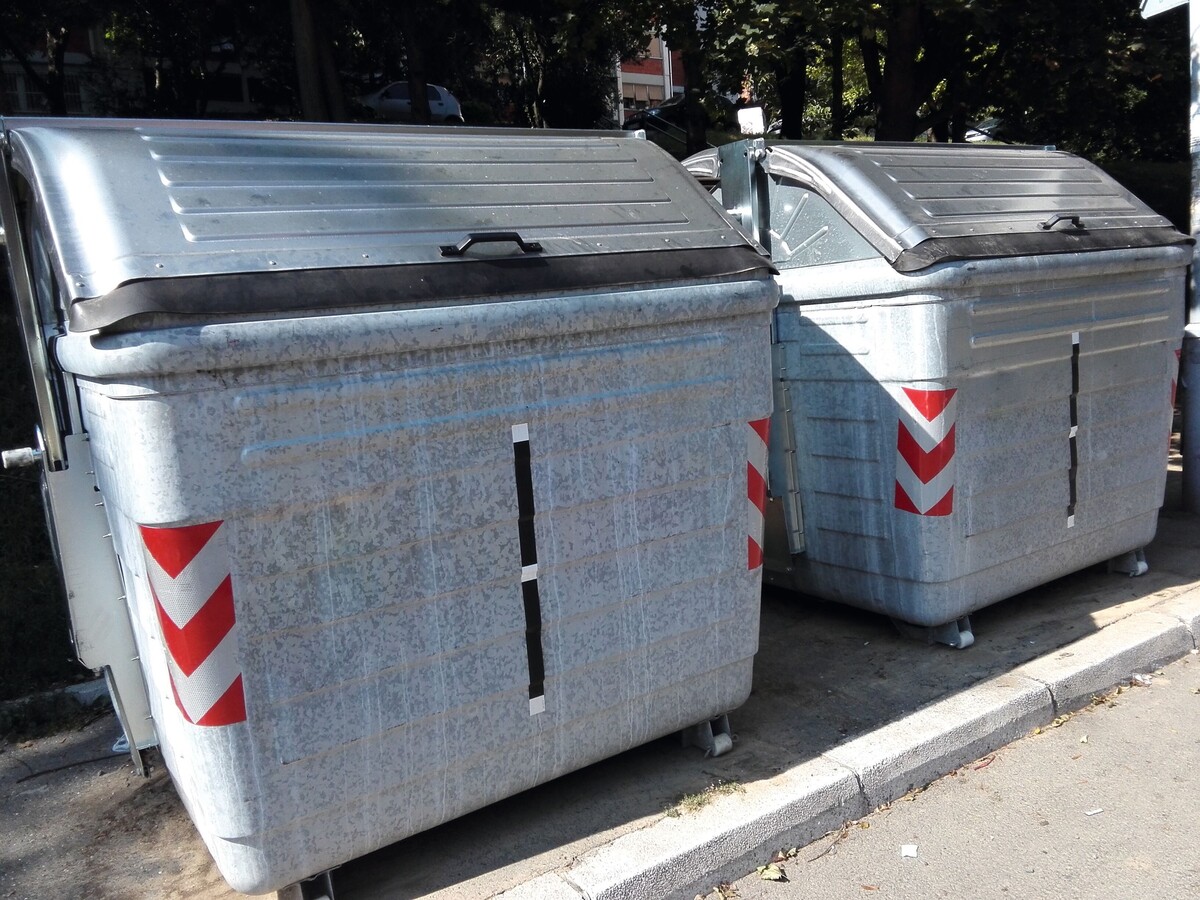
Retail waste management – typical fractions
Retail environments typically involve the following fractions as waste streams: cardboard packaging, paper, film/foil, plastics, lightweight packaging, residual waste, pallets, wood, waste electrical/electronic equipment or other product range-specific materials.
Fractions by EU waste code (EWC):
- EWC 150101: PPC
- EWC 150102: Film
- EWC 170904: Mixed building waste
- EWC 200301: Commercial waste
- EWC 200307: Bulky waste
- EWC 020203: Waste from the processing of meat, fish, eggs and dairy produce
Legal requirements for retail waste management
Retail businesses in Germany are subject to a variety of waste legislation, which affects the entire waste management process. The core piece of legislation here is the Circular Economy Act and its ‘waste hierarchy’, which states that waste should first be avoided, then reused and/or recycled. Incineration or landfill must always be seen as a last resort.
Retail is also governed by the Commercial Waste Ordinance. This regulation requires retail companies to collect commercial residential waste at the point of origin wherever possible, separated into fractions. Preferentially, waste should then be sent for treatment or reuse/recycling. If separate collection is impossible or economically unjustifiable, this must be documented and the applicable reasons stated.
In practice, this means that retail businesses should document site-specific waste streams, label collection containers correctly and ensure the end-to-end documentation of disposal methods. The German Chamber of Industry and Commerce suggests using photos, delivery/weighing notes, disposal contracts or other suitable documents as evidence. Upcoming changes will further specify these record-keeping requirements.
Other duties may apply for specific business models. Examples include the German Packaging Act (for sales and shipping packaging) or the German Electrical and Electronic Equipment Act (additional take-back and reporting duties for electrical appliances). Retailers are advised that duties are likely to become more stringent in this sector.
These requirements should not be treated lightly: this risks legal and operational problems down the line – all the way to fines or sales embargoes. From branch or central warehouse operations to complex retail networks, Interzero provides assistance with legally compliant organisation, waste stream optimisation and the deployment of efficient circular systems.

Branch manager