Bringing batteries to market in a legally compliant manner
Anyone placing batteries on the market in the European Union is subject to extensive legal requirements. Under the new EU Battery Regulation and the German Battery Act Implementation Act, manufacturers, importers and online retailers must fulfil numerous obligations – ranging from registration and the financing of take-back schemes to regular reporting of quantities.
The new EU Battery Regulation
The Battery Law Implementation Act (BattDG) transposes the EU Battery Regulation into German law and has been in force since 7 October 2025. With the full entry into force of the EU Battery Regulation (EU) 2023/1542 on 18 August 2025, a new era of battery regulation in Europe began for manufacturers, importers and distributors. The EU requirements have been binding since the effective date, regardless of national legislative procedures.
Comprehensive requirements are imposed on the entire value chain – from raw material extraction and production through to take-back and recycling. Companies are therefore required to adapt their processes at an early stage, ensure transparency and consistently implement new compliance obligations.
The aim of the regulation is to make batteries more sustainable, increase recycling rates and strengthen the circular economy.
This applies to manufacturers and retailers
All companies that place batteries or devices containing integrated batteries on the market in the EU on a commercial basis are subject to a number of obligations:
- Registration prior to placing the product on the market
- Membership of a producer responsibility organisation (PRO) in the relevant country
- Appointment of an authorised representative if the company does not have an established presence in the country where the batteries in question are first placed on the market
- Organising and financing the collection and recycling of waste batteries
- Complying with labelling and information requirements
- Submitting regular volume reports
These requirements apply regardless of where batteries are produced, whether they are imported or sold via online platforms. The decisive factor is who holds the role of manufacturer within the meaning of the law.
As an authorised organisation for producer responsibility (PRO) in Germany for starter, industrial and electric vehicle batteries, we support manufacturers, importers and distributors in ensuring timely compliance with the EPR requirements of the Regulation.
Who is considered a battery manufacturer?
For the purposes of the Battery Regulation, manufacturers are defined as any company that manufactures batteries or battery components, or places them on the market for the first time. This includes not only the manufacturers of the batteries themselves, but also importers and distributors who place batteries on the market. There are therefore many different criteria according to which a company may become the responsible manufacturer within the meaning of the law, who is responsible for registration and other obligations (non-exhaustive list):
- Producers of batteries based in the country in which the batteries are sold
- Importers from EU and non-EU countries based in the country in which the batteries are sold
- Online retailers who sell batteries to end customers and are not based in the country where the batteries are sold
- Online retailers/distributors who sell batteries under their own brand and are based in the country where the batteries are sold
- Companies that sell devices with built-in batteries
Even companies that merely import or rebrand batteries are legally regarded as manufacturers and must fulfil their obligations as such. It always depends on whether they have a registered office in the country where the products are sold or whether end customers are supplied directly. The options are more varied than they might appear at first glance.
Which batteries are covered by the regulations?
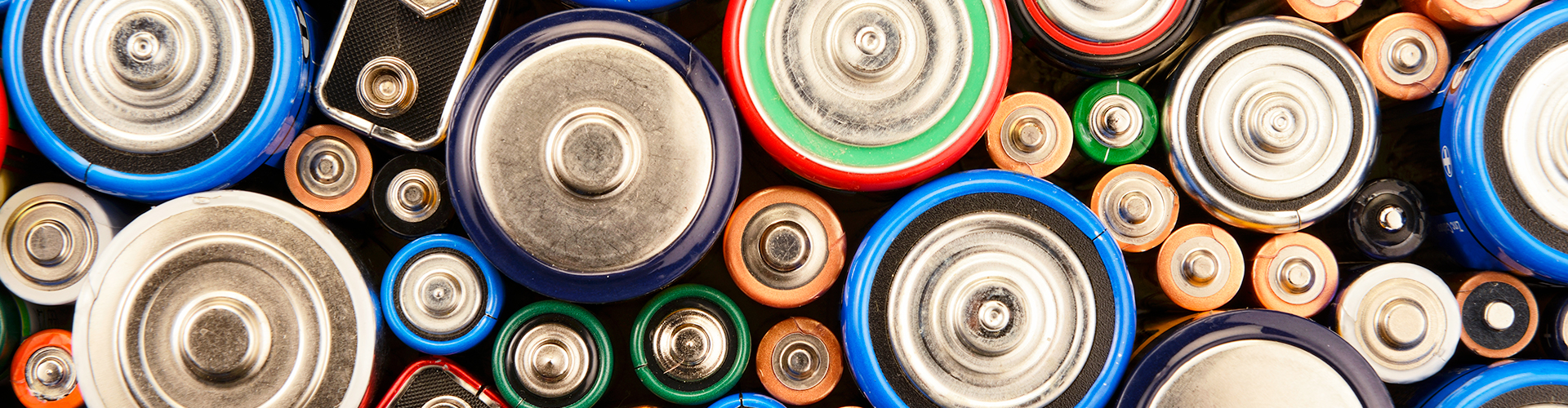
Portable batteries
Portable batteries (< 5 kg) for everyday electronic devices such as smartphones, laptops or remote controls, or, for example, rechargeable batteries for electrical appliances
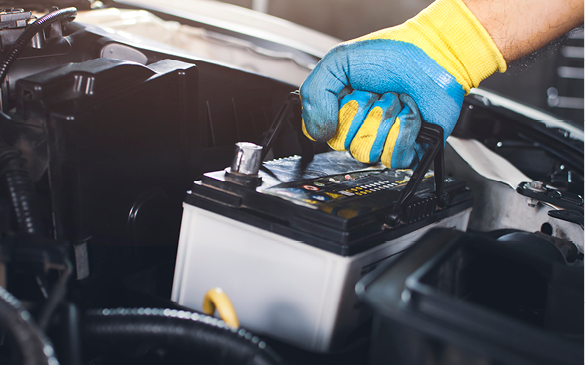
Starter batteries
Starter batteries in vehicles are used to provide the energy needed to start the engine, as well as to power the lights and other electrical functions. They are found in both vehicles with internal combustion engines and electric vehicles.
Batteries for light vehicles
e.g. batteries for e-bikes, e-scooters and similar vehicles (low-voltage batteries)
Batteries for electric vehicles
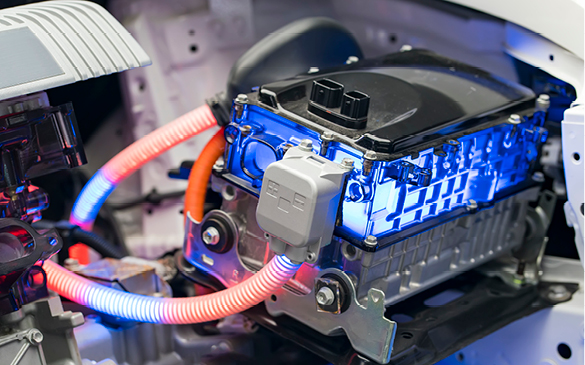
Batteries for electric cars, motorbikes and lorries in accordance with defined vehicle categories
Industrial batteries
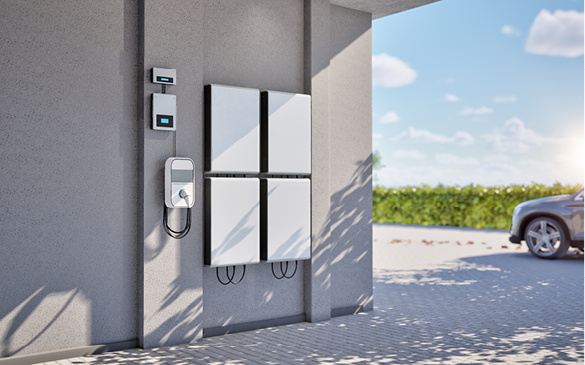
Batteries for industrial applications, such as in machinery or energy storage systems, and increasingly also the widely used storage systems for PV installations
Here's what to do when selling batteries
Before a company places batteries or rechargeable batteries on the market for the first time, it must register with the local authority. In Germany, the ear Foundation is responsible for this. Only after this registration may batteries be lawfully placed on the market.
At the same time, manufacturers are required to join an approved producer responsibility organisation (PRO), to report regularly on the quantities of batteries placed on the market, and to organise the collection and recycling of waste batteries.
Interzero is an approved producer responsibility organisation (PRO) for starter, industrial and electric vehicle batteries in Germany.
Find out on the following page what tasks we can take on for you and what benefits this offers manufacturers.
We also offer a special service for international manufacturers
Do you want to supply products to Germany but don’t have a branch here? We act as your authorised representative in accordance with legal requirements – from registration through to the ongoing fulfilment of manufacturers’ obligations. This ensures that your batteries can be sold on the German market in full compliance with the law. We also offer a special service for international manufacturers.
Take-back obligation for retailers and distributors
The Battery Act Implementation Act (BattDG) requires distributors of batteries and accumulators to take these back free of charge at the end of their useful life at the point of sale or in the immediate vicinity – even without a new purchase – and to hand them over to an authorised collection organisation. This also applies to mail-order companies, provided that they offer customers a return option within a reasonable distance. The take-back obligation applies to normal household quantities and to those batteries that were included in the product range.
Your advantage with Interzero
For device and low-voltage batteries, we offer online retailers a tailor-made solution – by combining a reliable, nationwide network of collection points that are within a reasonable distance of their customers and easily accessible. Returns are local and practical – with no need for postal dispatch. We take care of proper disposal and recycling, and you benefit from predictable costs (flat-rate fees) for using the collection point network.
What about the future?

The EU Battery Regulation will significantly expand the requirements for batteries in the coming years.
The most important changes include:
- higher collection rates for waste batteries
- stricter recycling requirements
- carbon footprint for batteries
- minimum proportions of recycled material
- digital battery passport for certain battery types
Companies should prepare for these new requirements at an early stage. Our experts are always on hand to support you and provide you with comprehensive information.


Circular Solutions
Concept of the circular economy leads to sustainable growth