Construction waste management – simple and efficient
Individual waste management plans for your site – from containers to all-in-one solutions
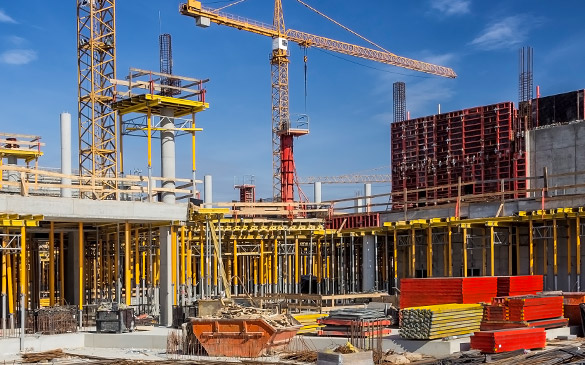
We offer waste management plans – including the handling of hazardous waste – for construction projects of any shape and size. You enjoy the benefits of a centrally managed, comprehensive network of construction waste management companies plus our extensive know-how in the field of legally compliant, cost-effective processes.
An overview of our services:
- Analysis of your waste streams
- Planning of optimum container solutions
- End-to-end organisation of waste logistics
- Legally compliant waste management guaranteed
- Transparent documentation and record-keeping
Typical challenges for construction waste management
The practicalities of construction waste management can be significantly more complex than expected. A variety of legal requirements, many stakeholders and limited site space create situations in which companies can quickly run up against operational and economic limits.
Typical problem areas:
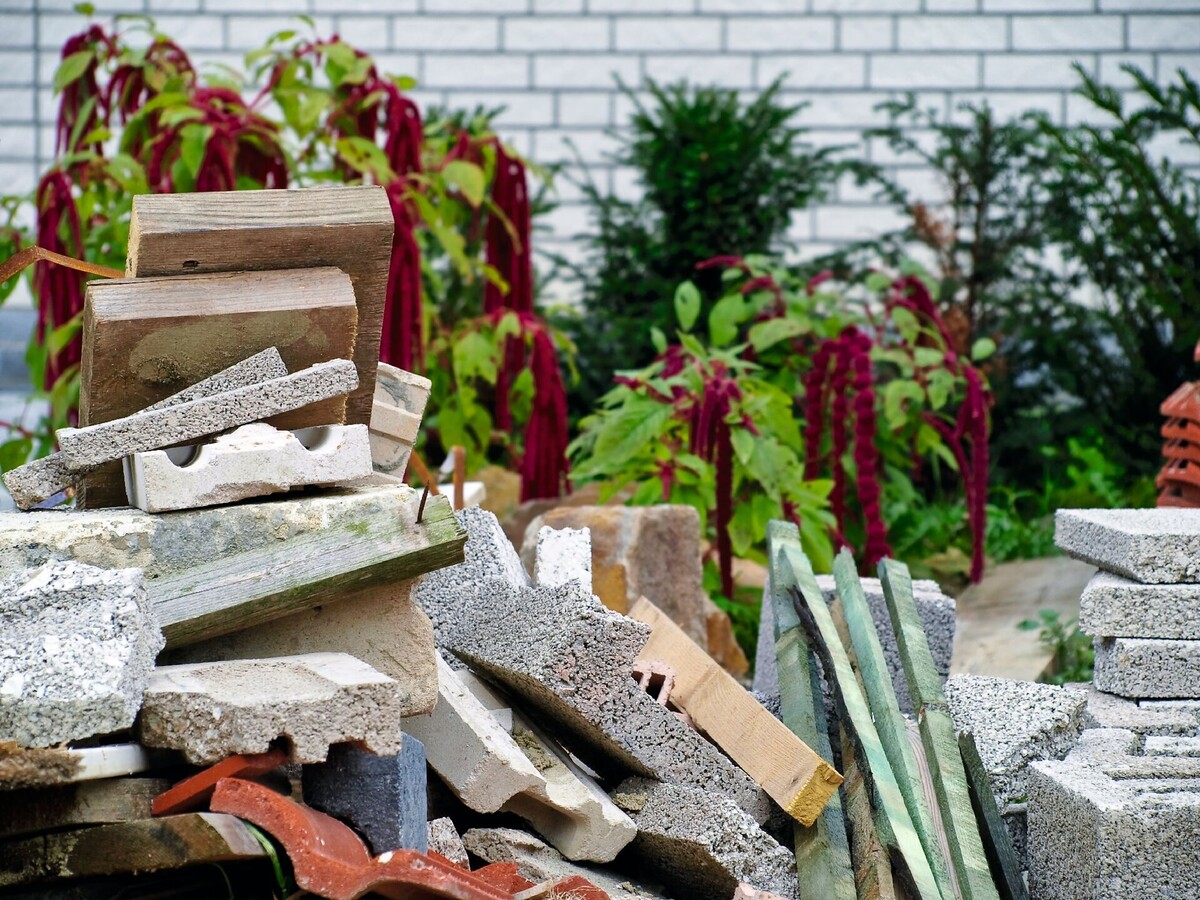
- Complex waste streams: A wide range of waste types is typically encountered on the building site – from mineral materials to hazardous waste.
- Strict legal requirements: In Germany, for example, the Commercial Waste Ordinance and Circular Economy Act stipulate systematic separation, recycling and record-keeping.
- On-site space is limited: Urban projects tend to lack space for multiple containers and the effective separation of fractions.
- Coordination of multiple service providers: Coordinating container services, hauliers and waste management firms becomes difficult without a central management instance.
- Lack of cost transparency: Unspecified waste volumes, incorrect separation and inefficient logistics can often drive up waste management costs.
- Documentation overheads: Keeping proper records for waste volumes, disposal methods and legal requirements is a complex and error-prone task – especially for hazardous waste.
- Awareness-raising for employees: Achieving effective waste separation is possible only if everyone involved knows and follows the rules.
Our solution: a tailor-made waste management plan for your site
Whatever the size of your site, we’ll find the right solution for your waste management. We meet these challenges with our integrated approach that combines advice, operational deployment and digital transparency.
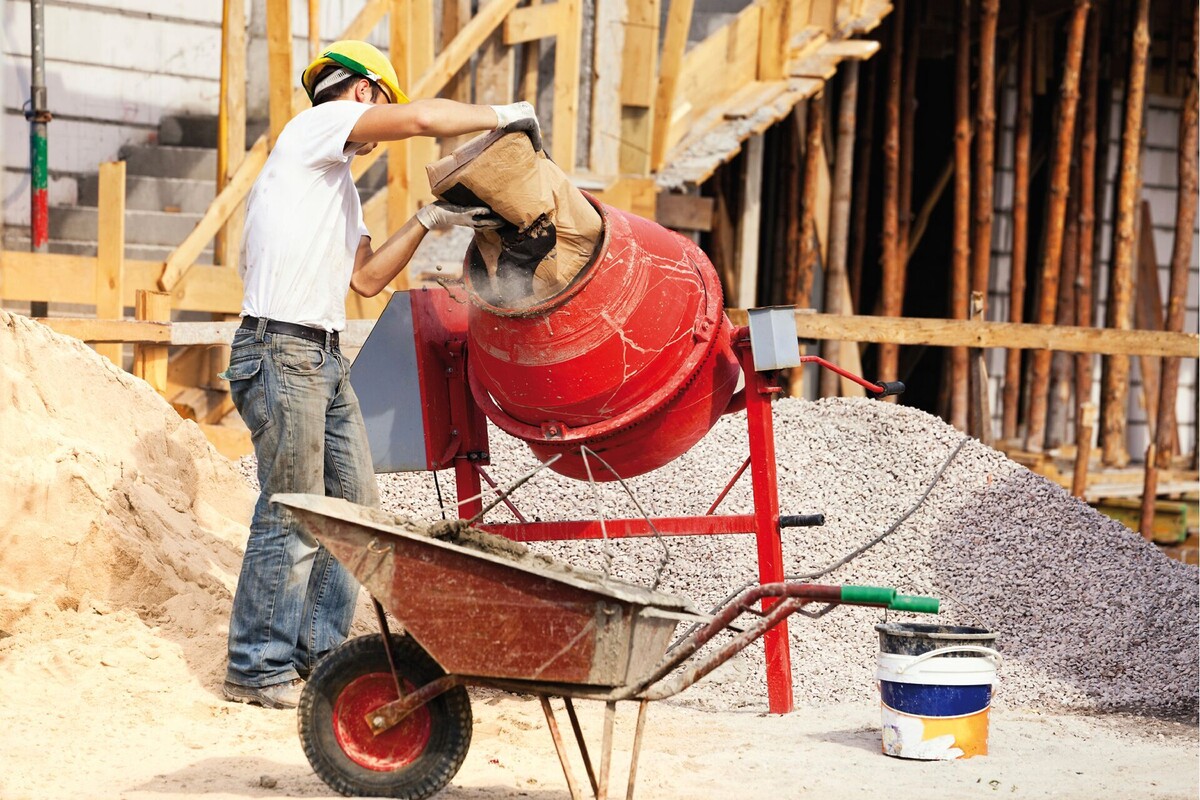
Drawing on their long-standing waste and circular economy expertise, our specialists first analyse the individual waste streams and general conditions at your site before then developing a made-to-measure waste management plan for your business. This plan takes into account the legal requirements as well as economic and logistical factors.
As we manage all of the disposal processes – from container placement to transportation and recycling – under one roof, we significantly reduce both complexity and coordination work. At the same time, our deep knowledge of the industry also ensures that waste is properly classified, perfectly separated and recycled using the best methods available. Our approach is rounded off by transparent documentation and reporting solutions.
This results in an efficient, legally compliant and cost-optimised site waste management strategy, based on real-world expertise.
Construction waste management with Interzero:
1. No-obligation consultation:
In our no-obligation consultation, we work with you to identify the specific requirements for your construction site: from waste types/volumes and logistical considerations through to legal requirements and your current process map.
2. Development of a tailor-made management plan:
Based on the initial analysis, we create a made-to-measure strategy for your construction waste. This strategy covers optimised container planning, appropriate disposal methods, compliance with all legal requirements and cost-effective logistics.
3. Rollout and operational management:
We organise every single detail of your site waste management plan – from container delivery and pick-up coordination to the final recycling of your construction wastes. You benefit from a single point of contact and seamless process flows.
4. Optimisation and day-to-day support
Once your project is up and running, we analyse your waste management processes continuously to identify further potential for savings and optimisation. This ensures that your waste management plan remains efficient and cost-effective into the long term. We also provide you with advice and information about changes in the legal situation.
Your benefits with Interzero
Integrated
Our experienced experts provide comprehensive advice and create an all-in-one package for your healthcare waste management.
Nationwide
At Interzero, efficiency comes first with an extensive network of logistic services from our contractors.
Modern and efficient
Waste management at Interzero is based on innovative, digitally powered systems.
Full legal compliance
Legal peace of mind thanks to full compliance with applicable environmental and waste management legislation.
Keeping you in the loop
Our online portal gives you 24/7 access to digital order management and reporting.
Cost transparency
Your costs stay plannable with our clear-cut approach to cost management and subscription models.
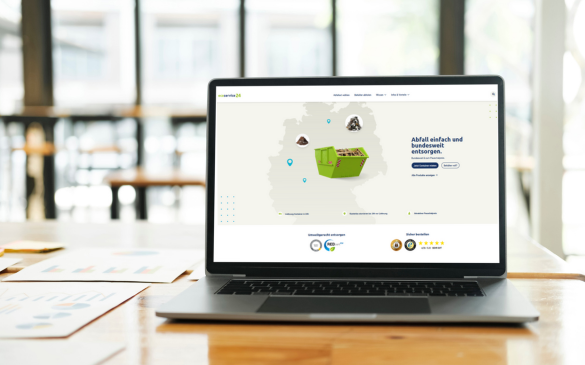
ecoservice24.com web shop – the fast and flexible solution for smaller sites
For mobile, decentralised building sites whose location, duration and volumes vary (e.g. solar, retail chain fit-out, tradesperson-focused), our ecoservice24 Enterprise portal is the ideal solution.
This free platform gives you a flexible way to order and swap containers anywhere in Germany. The user-friendly interface makes it easy to enter and manage your waste management orders online, while the site management feature ensures you don’t miss deadlines or due dates.
Book your no-obligation demo here!
Typical building site wastes
Building sites create a variety of wastes, which need a range of specific treatments according to the materials and pollutants they contain. Our customers typically need help with the following fractions:
| Mineral waste | Building waste, mixed construction and demolition wastes | EWC 17 07 07 |
| Mineral waste | Concrete | EWC 17 01 01 |
| Mineral waste | Tiles | EWC 17 01 02 |
| Waste wood | Untreated wood | EWC 17 02 01 |
| Waste wood | Wood (hazardous) | EWC 17 02 04* |
| Commercial waste | Packaging, plastics, textiles | EWC 20 03 01 |
| Metals | Tubes, steel, iron | EWC 17 04 05 |
| Insulation materials | Mineral wool, EPS, XPS | EWC 17 06 04 |
| Insulation materials | Mineral wool, EPS, XPS (hazardous) | EWC 17 06 03* |
| Paper and paperboard packaging | Cardboard packaging, shipping cartons, paper sacks | EWC 15 01 01 |
Legal duties for on-site separate collection and record-keeping
All these waste types are subject to strict rules on separate collection pursuant to the German Commercial Waste Ordinance. Wherever possible, waste – especially the fractions of paper, glass, plastics, metals, wood, textiles and mineral wastes – must therefore be separated into pure fractions at the point of origin. The aim is to achieve high recycling rates and avoid mixing waste types in a way that makes their recycling difficult or impossible. Deviations are permitted only in situations where separate collection is technically impossible or economically unjustifiable (very limited on-site space, for example.

These rules are linked to extensive record-keeping obligations on building sites. Companies need accessible records of waste separation, transportation and disposal on hand at all times. Such records include the following:
- Records of volumes and material streams (which wastes were created in which quantities)
- Disposal documentation and weighing records
- Transfer/consignment notes, especially for hazardous wastes as part of the electronic waste tracking system (eANV)
- Records of separate collection (with justification of deviations)
- Details of disposal routes and recycling plants
These obligations not only ensure compliance with legal regulations but also form a decisive part of audits, client record-keeping and internal cost controls. A lack of documentation or missing documentation can lead to fines, liability risks and – in the worst case – site stoppages. At the same time, a well-kept set of documentation offers the chance to create transparency about disposal costs while identifying potential for optimisation.
Closing loops with individual take-back plans
We work with you to develop and organise the take-back systems for product residuals and packaging – book a consultation today!



Manager