



PPWR consulting
PPWR roles, objectives and responsibilities at a glance
 Learn more

The European Packaging and Packaging Waste Regulation (PPWR) establishes a new European framework for extended producer responsibility for packaging. As a result, many companies are asking how they will need to handle registration, licensing and reporting obligations in the future.
Key takeaway: Extended Producer Responsibility (EPR) remains in place. While the PPWR harmonises key principles, it does not create either a central EU registration or a single European packaging licence. Companies must therefore continue to assess, country by country, whether EPR obligations apply and, if so, which requirements they must meet – Interzero will be happy to support you!
Note: This article is for general information purposes only and does not constitute legal advice
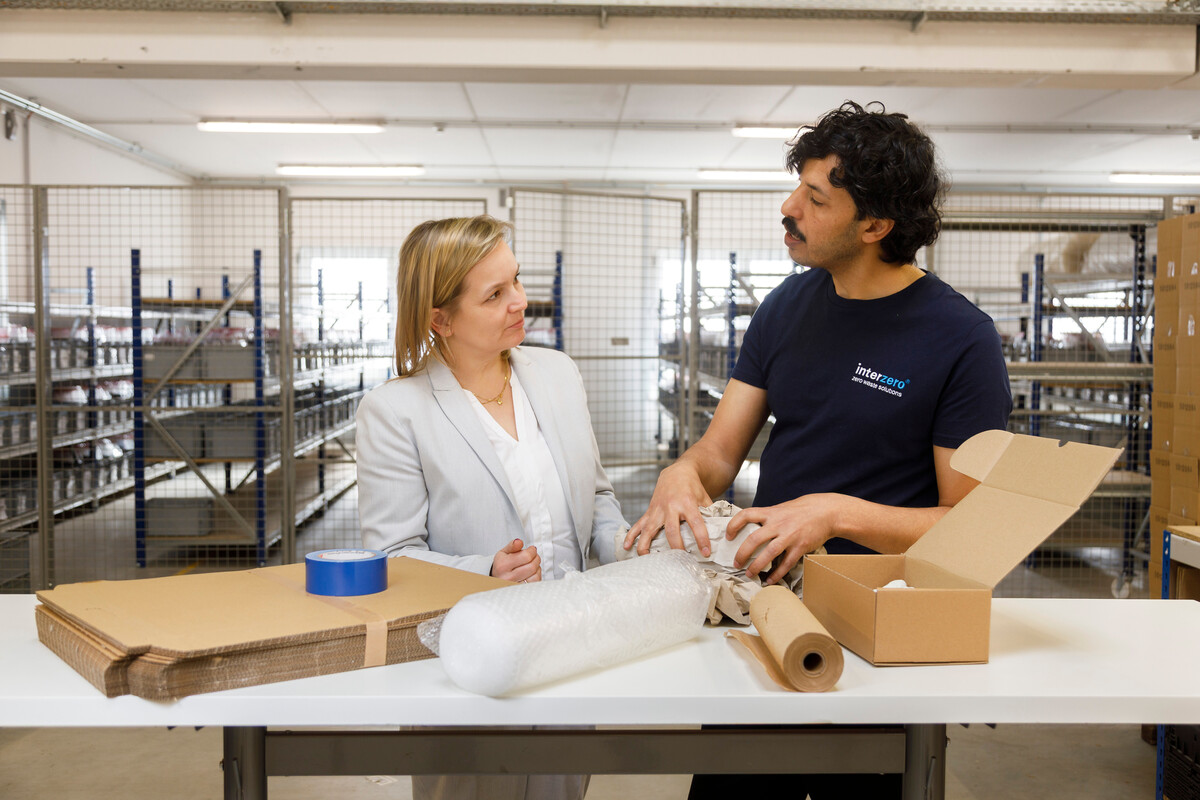
EPR (Extended Producer Responsibility) is based on the principle that companies placing packaging or packaged products on the market are also responsible for their subsequent collection, sorting and recovery. This responsibility is generally fulfilled by financing the relevant waste management and recycling systems.
Depending on the country and type of packaging, this responsibility may include the following obligations, among others:
PPWR and EPR pursue common objectives but serve different functions.
The PPWR provides the European legal framework for packaging and packaging waste. It sets requirements covering the entire life cycle of packaging, from design and composition through to collection and recovery. In principle, the Regulation applies to all packaging and packaging waste, irrespective of material or origin.
EPR is a key instrument within this framework. It ensures that companies placing packaging on the market assume financial and organisational responsibility for managing the resulting packaging waste. This includes, in particular, financing collection, sorting and recycling systems as well as various registration, reporting and information obligations.
Put simply:
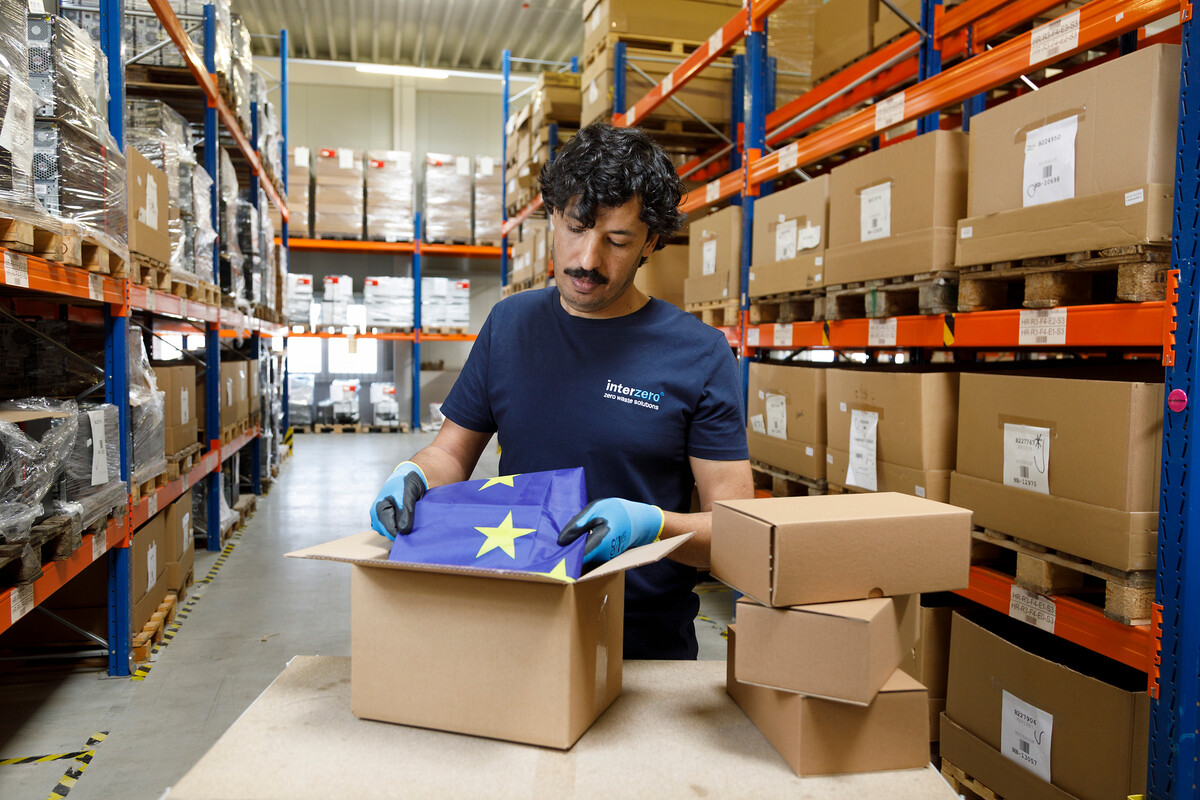
Even after the PPWR becomes applicable, companies must assess their EPR obligations on a country-by-country basis.
In particular, this involves the following questions:
There is no single registration covering all EU Member States. Companies selling products in several European countries may therefore be subject to registration, financing and reporting obligations in multiple countries at the same time.
A particularly important development is the stronger ecological modulation of EPR fees. The environmental and circularity characteristics of packaging are expected to play a greater role in determining financial contributions. In addition to packaging quantity and material type, factors such as recyclability and design for circularity may therefore become increasingly relevant.
Note: There is currently no fixed deadline for these changes. The specific calculation methods and the timing of corresponding fee models depend on supplementary European requirements and their implementation in national legislation. Nevertheless, long-term planning is worthwhile – Interzero will be happy to support you!
The producer is the party that first places packaging or packaged products on the market in the relevant EU Member State and is responsible for fulfilling the applicable EPR obligations. Depending on the supply and distribution structure, this may be the manufacturer, importer or distributor.
Companies that sell packaging or packaged products by distance selling directly to end users in other EU Member States and do not have an establishment there are generally required under the PPWR to appoint an authorised representative for extended producer responsibility in the Member State concerned. The authorised representative fulfils the applicable EPR obligations in the destination country on behalf of the producer.
The authorised representative acts on behalf of the obligated company and may, for example, handle reporting and communication with authorities and take-back systems. Whether such representation is permitted and the scope of the representative’s responsibilities are governed by the applicable European and national legislation.
| In particular, the authorised representative may perform the following tasks: | Typically, the producer remains responsible for: |
|---|---|
|
|

Sales packaging forms a sales unit with the product for the end user (e.g. jam jars, food cans and product boxes). It typically remains with the customer.
Sales packaging is the classic packaging type covered by extended producer responsibility. In almost all European EPR systems, this involves registration and reporting obligations, financing obligations and participation in an EPR scheme or producer responsibility organisation.
Service packaging is not a separate main category under the PPWR but a specific form of sales packaging (e.g. cups and trays, bakery bags, carrier bags and takeaway packaging). It is filled only at the point at which it is supplied to the end consumer.
In principle, the same EPR principles apply to service packaging as to other sales packaging.
Grouped packaging combines several sales units (e.g. film around multiple sales units, multipack cartons and bundle packaging).
Grouped packaging is generally also subject to EPR requirements. Where it typically becomes packaging waste at the end consumer, many Member States treat it similarly to sales packaging under producer responsibility rules. However, the specific classification and resulting obligations may vary depending on the national implementation of EPR requirements. Companies should therefore review the rules applicable in their respective sales markets.

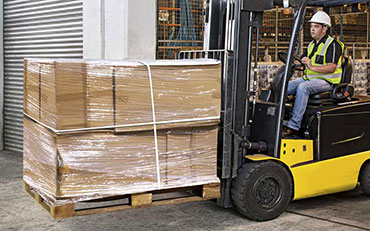
Transport packaging facilitates the handling and transport of goods and protects products from damage during transport and logistics (e.g. transport boxes, pallets, strapping, stretch and shrink film, filling and cushioning materials, and transport crates).
Transport packaging also falls within the scope of the PPWR. Instead of participation in a household collection system, specific take-back, recovery and documentation obligations may apply.
The PPWR expressly addresses e-commerce packaging (e.g. shipping boxes, mailing bags, mailing envelopes, filling materials and cushioning). This is packaging used to ship goods to end users.
Shipping packaging is also generally among the types of packaging for which producer obligations may apply under extended producer responsibility. The specific obligations depend, among other things, on who uses the shipping packaging and in which country it is first made available. In cross-border e-commerce in particular, shipping boxes, mailing bags or filling materials may therefore trigger separate producer obligations in the destination country in addition to those relating to the product packaging.
As a European regulation, the PPWR applies directly. Since it became fully applicable on 12 August 2026, it has been supplemented in Germany by the Packaging Law Implementation Act (Verpackungsrecht-Durchführungsgesetz, VerpackDG). At the same time, the previous Packaging Act (VerpackG) was repealed.
The PPWR establishes the European framework. The VerpackDG supplements this framework with the necessary German rules on responsibilities, procedures, systems and enforcement.
Companies should systematically map their packaging and distribution structures. A structured inventory provides the basis for reliably identifying national EPR obligations. We will be happy to support you!

Not entirely. Packaging licensing is one component of extended producer responsibility. EPR may also include registration, take-back, recovery, information, documentation and authorised representative obligations.
Packaging that arises in the commercial sector also triggers EPR obligations. However, it is not subject to the same obligations as packaging that typically arises in private households and comparable sources. Instead, specific take-back and recovery obligations apply.
When packaged products are sold directly to end users, EPR obligations arise in the relevant destination country. These include registration, quantity reporting, financing and the appointment of an EPR authorised representative.
The VerpackDG supplements the directly applicable PPWR with German rules on procedures, responsibilities, systems and enforcement. These include, in particular, registration, participation in EPR schemes, data reporting, declarations of completeness, and requirements for the collection, take-back and recovery of packaging.