PPWR Compliance: Orthomol Relies on Interzero's Expertise

![[Translate to English - Englisch:]](/fileadmin/_processed_/f/8/csm_IMG_0358-1_bb96ee2fa0.jpg "[Translate to English - Englisch:]")
[Translate to English - Englisch:]
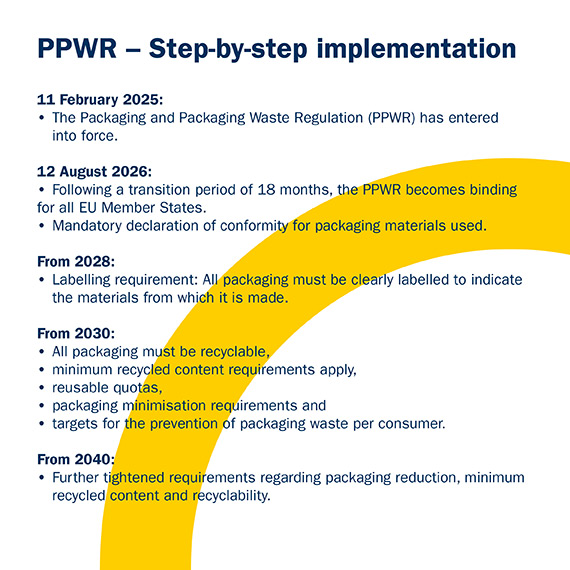
The Packaging and Packaging Waste Regulation, or PPWR short, has long been more than just a regulatory buzzword – it marks a turning point in how packaging is managed in Europe. Those who are not sufficiently prepared risk compliance issues, but may also miss out on opportunities in terms of competition, cost structures and brand image.
Orthomol, a manufacturer of high-quality dietary supplements based in Langenfeld in the Rhineland, aims not only to meet legal obligations but also to lead the way and take responsibility – including when it comes to designing sustainable packaging. To position itself for the future and bring its practices up to date, the company opted for a bespoke intensive workshop with Interzero. The circular economy service provider not only knows its way around the regulatory maze but also offers concrete advice on packaging optimisation as part of its “Made for Recycling” service. In this interview, Iris Blumenthal, Head of Sustainability at Orthomol, explains how her company benefited from the “PPWR & Deep Dive into Packaging Recycling” workshop.
Ms Blumenthal, how important is sustainable packaging at Orthomol?
Iris Blumenthal: For several years now, we have been actively exploring how we can make our packaging more resource-efficient – specifically by addressing issues such as recyclability and new material compositions. As a manufacturer of dietary supplements, we must always take product safety and stability into account, which makes some solutions somewhat more complex than in other industries.
What were your expectations for the workshop day with Interzero?
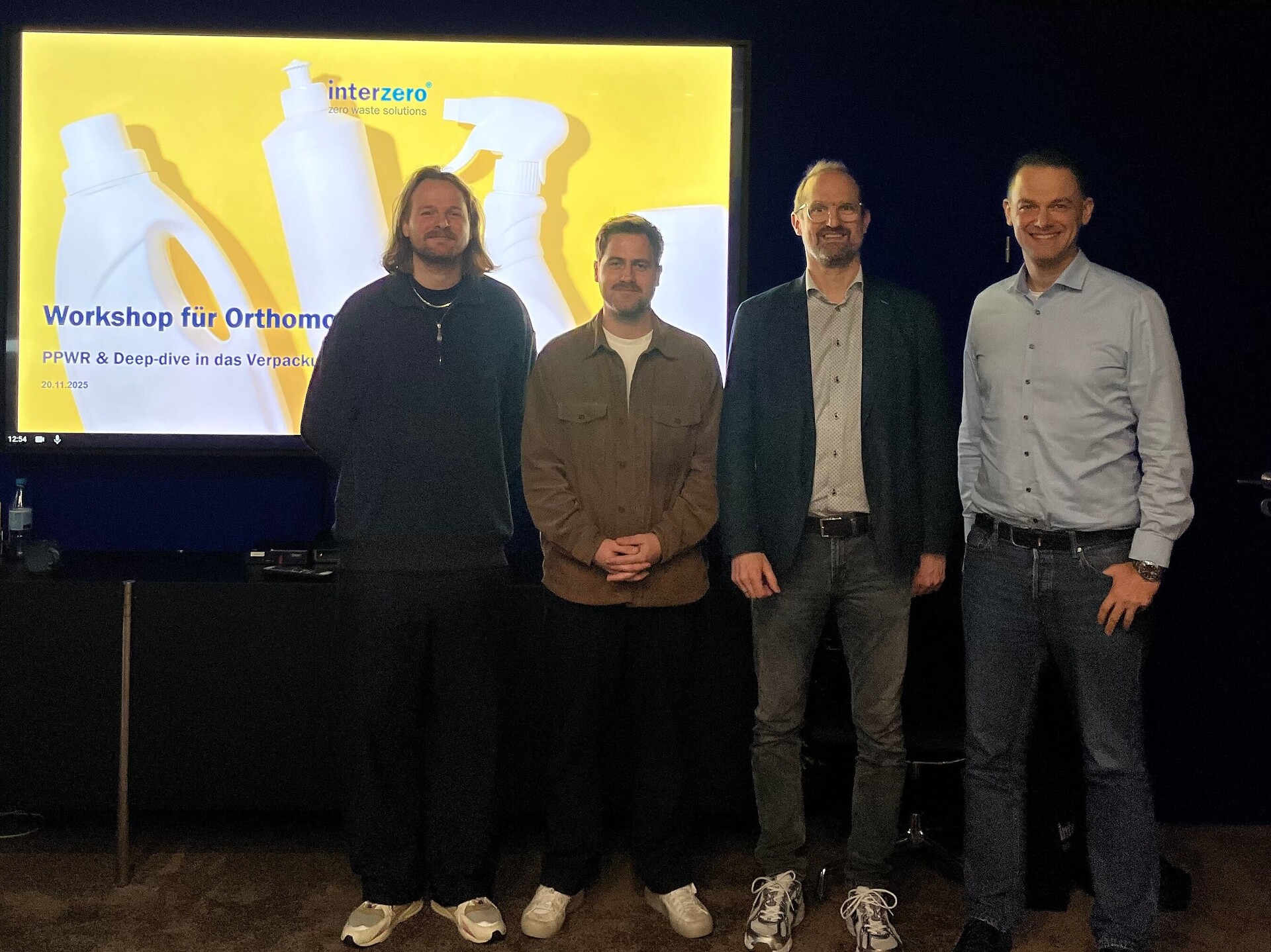
Iris Blumenthal: A total of 23 people gathered at our headquarters in Langenfeld – ranging from senior management to colleagues from product development, technical operations, quality management, procurement and marketing, right through to international sales and sustainability management. That alone demonstrates the great importance of the topic across all areas of the company. We wanted to get everyone on the same page and draw on the external expertise of the circular economy specialists to put our future decisions on a solid footing.
Looking back, what did you benefit from most?
Iris Blumenthal: Together, we looked closely at the PPWR and, at the same time, gained insights into the collection, sorting and recovery of packaging. Most of us had never seen the inside of a sorting or recycling plant before – so Interzero provided some fascinating insights. We also analysed our own portfolio and identified potential for optimisation in terms of regulation and resource use. The insight into international circular economy structures was particularly valuable for us: theoretical recyclability and practical recycling infrastructure vary considerably from country to country – we are incorporating this understanding of the system directly into our packaging decisions.
What would you recommend to other companies?
Iris Blumenthal: With such a complex topic, it’s definitely worth bringing in external expertise. For us, the workshop with Interzero was a valuable and meaningful step towards positioning ourselves for the future in terms of PPWR and packaging design. We’re taking a lot away from it for the next steps on our journey towards even more sustainable packaging solutions.